Making world time, easier to understand.
From time zones and daylight saving time to living and working across borders, explore practical knowledge about time so every connection lands just right.
Explore Articles
13 articles
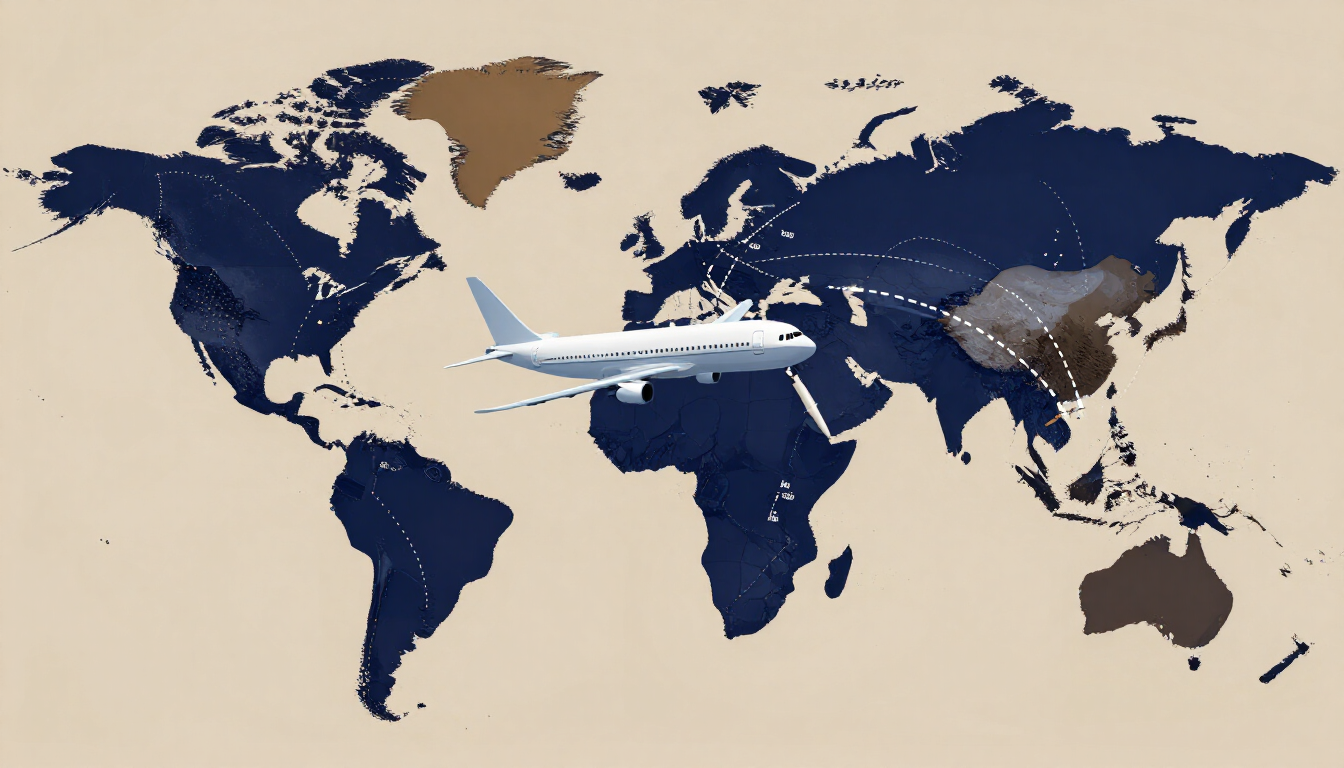
EST to IST Converter: Convert Eastern Time to India
Use an EST to IST converter to translate Eastern Time to India Standard Time. Learn the 9.5–10.5 hour gap, DST shifts, and best call overlaps.

What Are Time Zones? A Complete Guide to World Time
From the Earth’s rotation to UTC offsets, learn why different parts of the world have different times and how to compare them easily.
UTC Time: The Global Baseline Everyone Uses
What is UTC? Get to know Coordinated Universal Time and learn to use it as a common starting point for cross-time-zone communication.

Daylight Saving Time Explained: Why Some Places Adjust Their Clocks
Learn the basic principles of daylight saving time, common clock adjustment practices, and how it affects cross-border scheduling.

What Is the Difference Between UTC and GMT?
Two common time abbreviations are often used interchangeably. Learn what each one means and how they are actually used.

New York and London Time Difference: Scheduling Across the Atlantic
The time difference between the two cities is not constant year-round. See how to avoid confusion caused by daylight saving time switches.

How to Schedule Meetings Across Time Zones: Practical Coordination Tips
From finding overlapping working hours to writing clear dates, a few simple steps make global meetings easier.

Before Traveling Across Time Zones, Don’t Forget to Check the Local Time
Flights, hotels, and itineraries may involve different dates. This travel time checklist helps you prepare.

How Atomic Clocks Help the World Stay in Sync
From atomic oscillations to global time standards, learn the basic concepts behind modern precision timekeeping.

How to Read UTC Offsets: Stop Mixing Up Positive and Negative Signs
Use simple examples to understand UTC+ and UTC−, and learn about half-hour and 45-minute time zones.